You know that heavy, lingering tension of a transition moment. For many neurodivergent children-especially those navigating the world with autism, ADHD, or sensory processing sensitivities-moving from one activity to another can feel like trying to navigate a maze without a map.
It isn’t just about “not listening” or being difficult. It’s often the overwhelming weight of an unpredictable environment. When you say, “Time to get dressed,” it might not be a simple instruction; it could be a sudden jump into a world where they don’t know what comes next after the clothes go on.
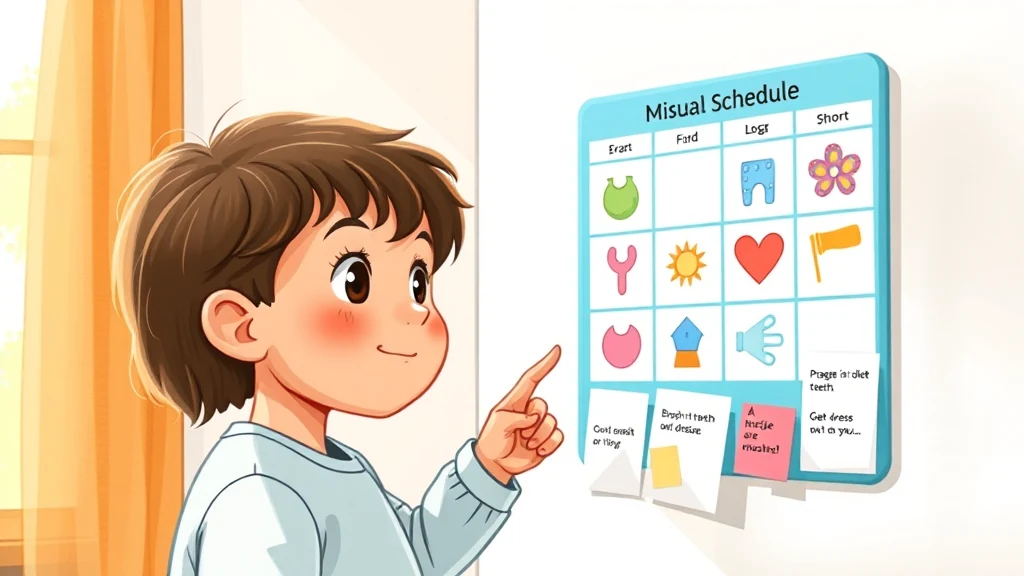
This is where visual schedules become a game-changer. By turning abstract concepts like “time” and “next steps” into tangible, visible cues, you give your child a sense of agency and safety.
Why Do Visual Schedules Work for Neurodivergent Minds?
For many neurodivergent children, the brain processes information in a very specific way. Verbal instructions can sometimes vanish as soon as they are spoken-it’s too much data to hold at once. A visual schedule acts as an “anchor.” It remains constant, allowing the child to look at it whenever they feel that spike of anxiety about what’s coming next.
Visual schedules provide:
- Predictability: They see exactly what is happening now and what is coming later.
- Reduced Cognitive Load: They don’t have to constantly “guess” what you want them to do; the chart tells them.
- Independence: It empowers them to check the list themselves, reducing the need for constant verbal prompting from a parent.
Quick Tip: Start small. Instead of a full day’s itinerary, try a three-step visual “chain” for a specific task, like brushing teeth (Squeeze toothpaste $\rightarrow$ Brush $\rightarrow$ Rinse).
Creating a Bridge with Personalized Stories
While a visual schedule provides the structure of the day, a personalized story can provide the emotional preparation for those transitions.
When a child is struggling with “transition anxiety,” it’s often because they feel unprepared for the change in environment. We’ve found that when children see themselves as the hero of their own journey, they develop much more confidence in facing new situations. This is why personalized books are so vital for neurodivergent learners; they allow the child to “rehearse” the routine in a safe, imaginative space before it happens in real life.
When you’re ready to help your child feel like the hero of their daily adventures, you can start creating their story where they navigate these very transitions with confidence.
How to Design an Effective Visual Schedule
Not all visual schedules are created equal. For a neurodivergent child, “clarity” is the most important ingredient.
Use Clear Imagery
Instead of just writing “Lunch,” use a photo or an icon of a lunchbox. This bypasses the need for the child to translate words into mental images, making the instruction immediate and accessible.
The “Now / Next” Method
For younger children or those who get overwhelmed by long lists, a simple “Now/Next” board is incredibly effective. It focuses their attention on just two points: what they are doing right now (e.g., putting on shoes) and the one thing happening immediately after (e.g., going to the park).
Use a “Finished” Pocket
One of the most satisfying parts of a visual schedule is the act of completion. Give your child a way to physically move a card or check off a task. This provides an immediate hit of dopamine and a sense of accomplishment, which is crucial for building self-esteem in children who often struggle with executive function.
Turning Routine into Empowerment
The ultimate goal of a visual schedule isn’t just “compliance”-it’s autonomy. When your child can look at the board and see that they are moving toward a goal (like a favorite snack or a park visit), the stress of the transition fades. They aren’t being told what to do; they are following a map you’ve built for them.
By combining the structural power of visual aids with the emotional warmth of personalized narratives, you create a toolkit that supports their unique way of experiencing the world.
Ready to build a story where your child is the hero? Create your custom book now and give them a narrative they can carry with them every day.