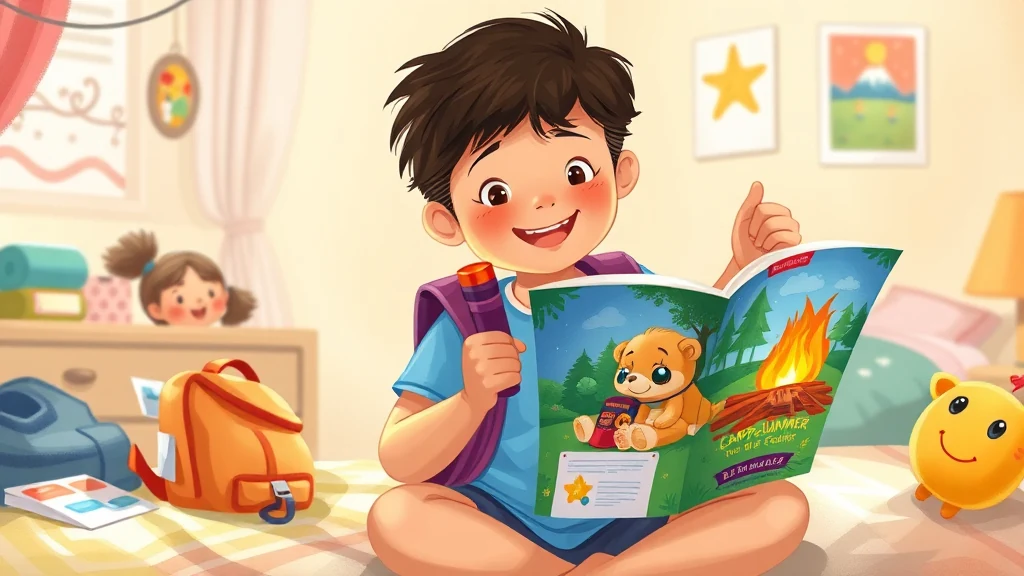
The air in the car feels different during those final weeks before summer. It’s a mix of excitement for the new friends your child will make and that heavy, lingering knot of “what ifs” that comes with their first time away from home.
You see them looking at the camp brochure-the photos of the campfire and the bunk beds-and you see that spark of curiosity in their eyes. But then comes the quiet moment when they ask, “Will I be okay without you?” or “What if I get lost?” It’s a big transition. It’s not just about logistics; it’s about their sense of security as they step into a brand-new world.
How Can Stories Help Bridge the Gap?
When we talk about “coping,” it can feel abstract and heavy. But when we use storytelling, it becomes an adventure. A personalized story allows your child to inhabit a narrative where they are the hero navigating a new environment.
By becoming the main character in a book, children can:
- Visualize Success: They “pre-experience” the camp experience through a story, making the actual transition feel like a familiar path rather than a scary unknown.
- Develop Agency: Instead of just being told they’ll be safe, they see themselves making friends and trying new things in the pages of a book.
- Process Feelings: They can explore feelings of missing home or nervousness from a safe distance-within the safety of a narrative.
Because these stories are specifically tailored to their interests, you can create a personalized story for them that mirrors their specific fears and triumphs before they even pack their first suitcase.
Quick Tip: If your child is specifically worried about the “first night” or feeling lonely at dinner, weave those exact moments into their personal story to give them a “roadmap” for how to handle those feelings.
Tackling Separation Anxiety Head-On
Separation anxiety isn’t something to “fix” quickly; it’s a developmental stage of learning trust in the world beyond your immediate reach. However, we can make that transition smoother by providing tools for emotional regulation.
When you read a personalized book where they are the hero, you aren’t just reading words; you’re building a mental bridge. When they encounter a “scary” moment in their own story-like a loud campfire or a new meal-you can stop and talk about how the character (themselves!) handled it. This builds self-efficacy, the belief that they are capable of navigating hurdles on their own.
If you’re looking for more ways to use these tools, our guide on how personalized stories help kids handle childhood anxiety offers even more depth on the psychological benefits of narrative-based coping.
Making the Transition a Shared Adventure
The goal isn’t just to get them to camp; it’s to ensure they feel supported throughout the journey. You can turn the preparation into a collaborative project:
- Identify the “Big Feelings”: Ask them what part of camp feels the most different. Is it the food? The different bed?
- Craft the Narrative: Use these specific details to build their story. If they love dinosaurs, maybe they are a dinosaur scout at camp!
- The “Pocket” Story: Give them the physical book to keep in their trunk or backpack for those moments of transition (like the drive there or the first night).
Quick Tip: Use the book as a “bridge.” Tell your child, “Whenever you feel a little bit lonely at camp, remember the story where you were the bravest explorer.”
Preparing for the Return
The transition doesn’t end when they come home; it just changes shape. They will return with stories of their own to tell. By using personalized books now, you are building a foundation of confidence that stays with them long after the summer ends.
For more inspiration on how tailored narratives can help with major shifts, check out our guide on personalized stories for managing large life transitions.
Ready to create a hero’s journey for your camper? Give them the gift of confidence before they head off to adventure by creating their own story at Make My Book.