How to Teach Patience and Delayed Gratification
It’s the classic childhood meltdown over a candy bar at the checkout counter, or that frantic “I want it now!” scream when you’re in the middle of cooking dinner.
As parents, we see these moments and feel that familiar twinge of sympathy mixed with exhaustion. We know our children aren’t being “bad”; they just haven’t developed the internal muscles required to bridge the gap between wanting and having. In a world designed for instant gratification, teaching them to wait is one of the most profound gifts we can give their developing brains.
Why Is Waiting So Hard for Kids?
Biologically speaking, children aren’t “bad” at waiting; they are literally wired for immediacy. The prefrontal cortex-the part of the brain responsible for impulse control and planning-is still very much under construction.
When a child demands a snack immediately, their emotional center (the amygdala) is often taking the driver’s seat. To them, the “now” feels like an emergency. Our goal isn’t to punish the outburst, but to provide the tools to navigate that internal storm.
How can we help them build those “waiting muscles”?
- Name the feeling: Instead of “Stop screaming,” try “I see that you really want that toy right now and it’s hard to wait.”
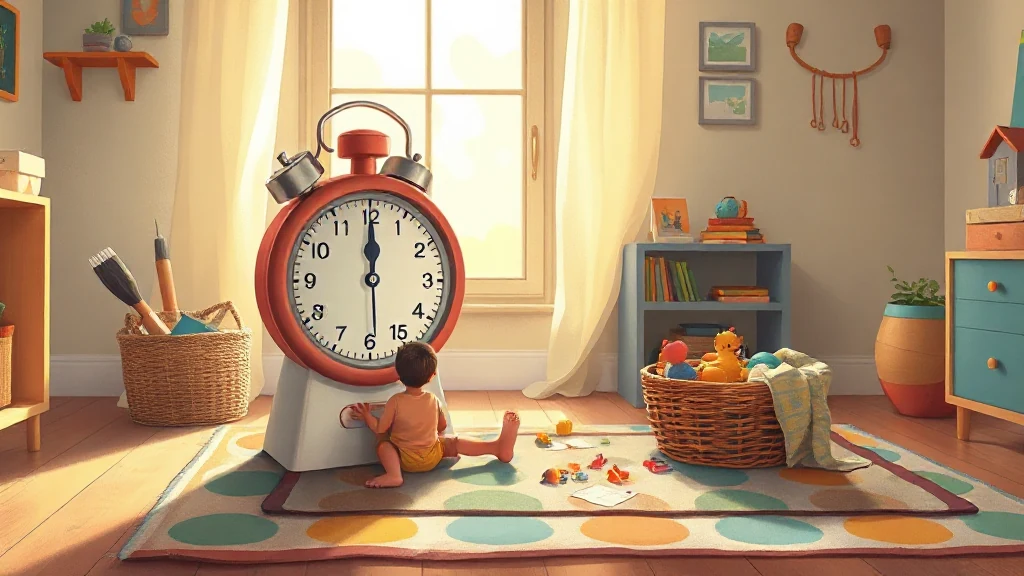
- Use visual timers: Sometimes, seeing the time “disappear” on a clock helps make the abstract concept of “later” concrete.
- Practice in low-stakes moments: Don’t start with a big reward. Practice waiting for 30 seconds for a turn on a swing or a piece of fruit.
Turning Patience into a Narrative Adventure
One of the most effective ways to teach an abstract concept like patience is through storytelling. When a child hears about a character who has to wait for something special, they can “practice” the feeling of waiting in a safe, imaginary space before they have to do it in real life.
This is where personalized books truly shine. By making your child the hero of a story where they face a challenge-like waiting for a seed to grow or preparing for a big journey-you provide them with a mental rehearsal for patience. You can even start creating a custom story that highlights their specific interests, making the lesson feel like a personal quest rather than a lecture.
Quick Tip: If your child is struggling with a specific “wait” (like waiting for a birthday), read them a story where the hero also has to wait and see how they handle it!
Moving from Frustration to Follow-through
The ultimate goal of teaching patience is building self-efficacy. When a child successfully manages the urge to grab something now and finds satisfaction in receiving it then, they gain a massive boost in confidence. They learn that they are capable of managing their own impulses-a core component of emotional regulation.
If you want to dive deeper into how these narratives support self-regulation, check out our guide on how personalized stories support teaching self-regulation and focus.
Ready to create a hero’s journey? Give your child the gift of a story where they learn to be brave, patient, and strong. Create your personalized book today