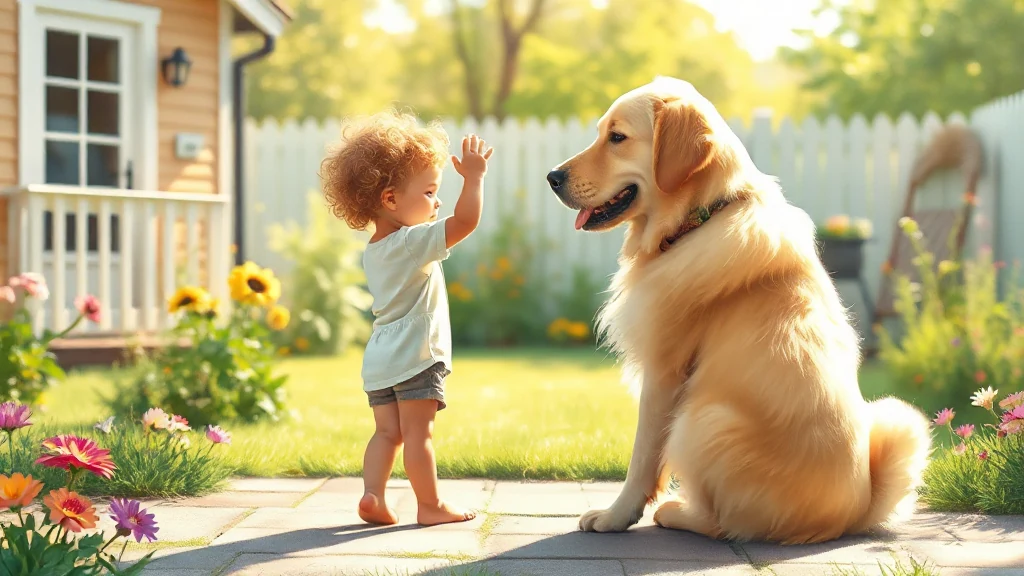
It’s that moment during a walk in the park where your child suddenly freezes. They see a golden retriever wagging its tail from across the grass, and instead of reaching out, they pull their head down, gripping your hand with white-knuckled intensity.
As parents, we want our children to feel brave, but fear of animals is incredibly common. Whether it’s a “scary” dog in the neighborhood or a jittery kitten in the house, that fear often stems from a lack of understanding-the child can’t yet tell the difference between a happy tail and an aggressive one.
How do we move them from “hide behind mommy” to “gentle pats on the head”?
Why Do Children Fear Pets?
For a small child, the world is big and unpredictable. A dog’s bark can be startlingly loud, and a cat’s sudden pounce can seem like an ambush. Because children don’t yet have the cognitive tools to interpret “animal body language,” they often default to fear as a survival mechanism.
In many cases, this isn’t just about the animal; it’s about the unknown. When we can make the unknown feel familiar, the fear begins to shrink.
Turning Fear into Understanding through Narrative
One of the most effective ways to bridge the gap between “scary” and “safe” is through stories. Unlike a real-life encounter-which can be unpredictable-a story allows your child to process a situation from a safe distance.
When they are the hero of the story, they can experience:
- Predictability: They see how a character interacts with a pet and what happens next.
- Empowerment: They learn that they can be calm and confident in the presence of an animal.
- Emotional Processing: They can “practice” feeling brave before they have to do it in real life.
If you want to create a custom adventure where your child learns to bond with a friendly pet, you can start creating their story here.
Practical Steps for Growth
While a story provides the emotional groundwork, these “ground rules” help build real-world confidence:
- Identify Your Child’s Triggers: Is it the barking? The sudden movement? Knowing why they are scared helps you tailor your approach.
- Use “Safe” Language: Instead of saying “Don’t be afraid,” try “The dog is just excited to see us! Let’s watch how he wags his tail.”
- Narrative Role-Play: Before meeting a new pet, talk about it during storytime. What would the hero do if they met a fluffy bunny?
Quick Tip: If your child is struggling with specific anxieties about pets or other animals, consider how personalized books can help kids handle childhood anxiety by creating a safe mental “rehearsal” for real-world interactions.
Creating Memories of Friendship
The goal isn’t to force a child to jump into a dog’s lap-that’s a leap too far, too soon. The goal is to build a bridge. By using stories where the hero overcomes their hesitation and finds friendship with an animal, you are giving your child a “roadmap” for bravery.
When they finally do reach out for that first pet-pet, they won’t just be doing it because you told them to; they’ll do it because they’ve already imagined themselves being brave enough to try.
Ready to create a hero’s journey? Turn your child’s experience into a lasting keepsake and a tool for confidence. Create your personalized book at Make My Book